Tag: meditation
-
Weightlossopathy – Manifesto for a New Human Body
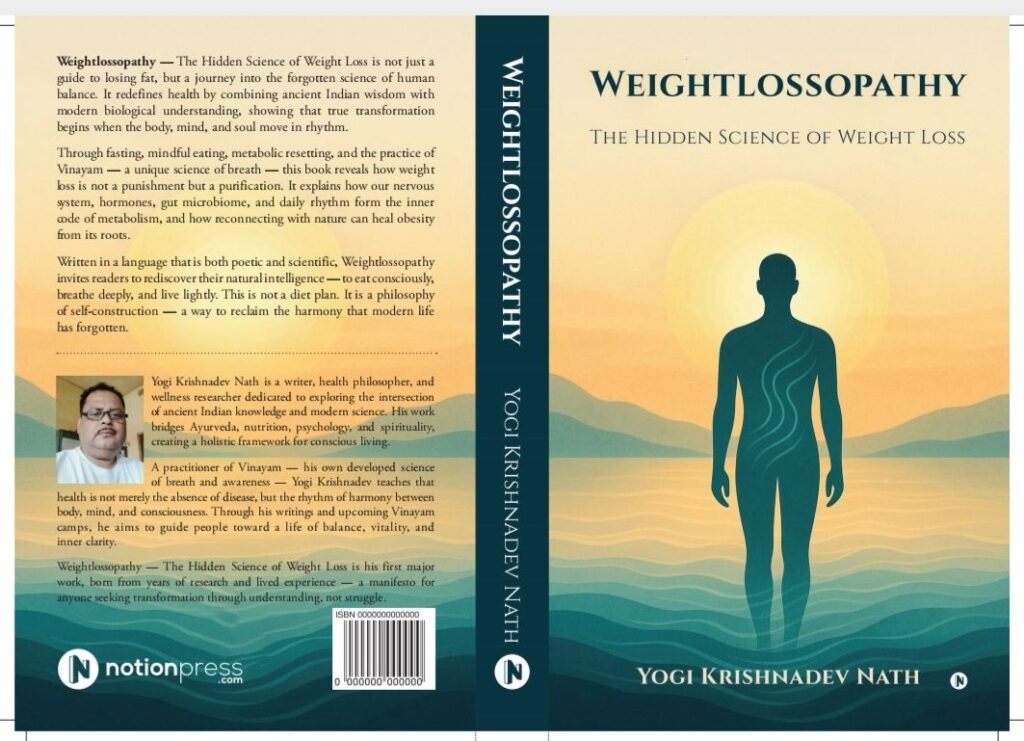
Weightlossopathy — Manifesto for a New Human Body
This book is not written for the body that counts calories,
but for the consciousness that remembers fire.
For decades, weight loss has been reduced to mathematics—
less food, more exercise, punish the fat, starve the body, silence the hunger.
We treated metabolism like a stubborn child,
and the body responded like a wounded animal—
inflamed, resistant, stressed, sick.
But beneath the blood and the skin lies an ancient intelligence.
A rhythm that modern life has forgotten.
A memory that your DNA has kept alive—even when you did not listen.
Weightlossopathy is the science of remembering that rhythm.
It is not a diet.
It is not a list of foods to fear.
It is not a punishment that burns calories and kills joy.
It is a journey back to the inner architecture of the human organism—
a return to the primordial agreement between breath, nervous system, hormones, sleep, gut, and sunlight.
When your breath softens,
your nervous system stops screaming.
When your nervous system stops screaming,
your metabolism stops fighting you.
When metabolism is no longer at war,
the fat leaves on its own—
like winter snow surrendering to spring.
You are not overweight because you are weak.
You are overweight because the intelligence of your biology has been interrupted.
Your body never betrayed you.
It only defended you—
from stress, chaos, exhaustion, fear, loneliness,
and the relentless demands of a world that forgot
what it means to live.
Weightlossopathy is how you make peace with your own flesh.
Not by starving it,
not by abusing it,
but by returning the power you once took away.
The ancient seers understood this.
They spoke of Vinyam—
the discipline of breath, rhythm, and awareness.
Not meditation as a hobby,
but as the original metabolic regulator.
Your stomach does not begin digestion.
Your brain does.
Your fat cells do not store death.
They store unprocessed fear, unresolved stress,
and unspent energy waiting for direction.
The body asks only one question:
Do you want to survive,
or do you want to live?
Weightlossopathy will not make you thin.
It will make you whole.
And when you become whole,
fat quietly dissolves
like mist before the rising sun. -
<!– 🌿 Vinayam Manifesto Page Title Block –>
<h1 style=”font-size:2.2rem; color:#0b3d2e; font-weight:700; margin-bottom:10px;”>
Vinayam: Beyond Pranayama and Manifestation — A New Science of Conscious Breath
</h1>
<h2 style=”font-size:1.25rem; color:#444; font-weight:500; line-height:1.6; margin-top:0;”>
A revolutionary evolution of <em>Pranayama</em> that transforms the <em>Law of Attraction</em>
into a living, conscious experience through the power of breath.
</h2>
<!doctype html>
<html lang=”en”>
<head>
<meta charset=”utf-8″>
<meta name=”viewport” content=”width=device-width, initial-scale=1″>
<title>Vinayam: Beyond Pranayama and Manifestation — A New Science of Conscious Breath</title>
<!– Primary SEO –>
<meta name=”description” content=”Discover Vinayam — an evolution of Pranayama that merges ancient breath science with conscious manifestation. A practical, embodied approach to reclaiming the healing power of breath.”>
<meta name=”keywords” content=”Pranayama, Law of Attraction, Manifestation, Conscious Breathing, Breathwork, Energy Healing, Mindfulness, Meditation, Self-Healing, Vinayam, Breath Control, Yogic Science”>
<!– Open Graph / Facebook –>
<meta property=”og:title” content=”Vinayam: Beyond Pranayama and Manifestation — A New Science of Conscious Breath”>
<meta property=”og:description” content=”Discover Vinayam — an evolution of Pranayama that merges ancient breath science with conscious manifestation. A practical, embodied approach to reclaiming the healing power of breath.”>
<meta property=”og:type” content=”article”>
<meta property=”og:url” content=”https://ykdonline.in/vinayam-manifesto”>
<meta property=”og:image” content=”https://ykdonline.in/assets/images/vinayam-feature.jpg”>
<meta property=”og:site_name” content=”YKDonline”>
<!– Twitter –>
<meta name=”twitter:card” content=”summary_large_image”>
<meta name=”twitter:title” content=”Vinayam: Beyond Pranayama and Manifestation — A New Science of Conscious Breath”>
<meta name=”twitter:description” content=”Discover Vinayam — an evolution of Pranayama that merges ancient breath science with conscious manifestation. A practical, embodied approach to reclaiming the healing power of breath.”>
<meta name=”twitter:image” content=”https://ykdonline.in/assets/images/vinayam-feature.jpg”>
<!– Canonical (edit if necessary) –>
<link rel=”canonical” href=”https://ykdonline.in/vinayam-manifesto”>
<!– Structured Data (Article Schema) –>
<script type=”application/ld+json”>
{
“@context”: “https://schema.org”,
“@type”: “Article”,
“headline”: “Vinayam: Beyond Pranayama and Manifestation — A New Science of Conscious Breath”,
“description”: “Discover Vinayam — an evolution of Pranayama that merges ancient breath science with conscious manifestation. A practical, embodied approach to reclaiming the healing power of breath.”,
“author”: {
“@type”: “Person”,
“name”: “Yogi Krishnadev Nath”
},
“publisher”: {
“@type”: “Organization”,
“name”: “YKDonline”,
“logo”: {
“@type”: “ImageObject”,
“url”: “https://ykdonline.in/assets/images/logo.png”
}
},
“url”: “https://ykdonline.in/vinayam-manifesto”,
“mainEntityOfPage”: “https://ykdonline.in/vinayam-manifesto”,
“datePublished”: “2025-10-17”,
“dateModified”: “2025-10-17”,
“keywords”: “Pranayama, Manifestation, Law of Attraction, Conscious Breathing, Vinayam”
}
</script>
<!– Basic styling (optional inline; remove/replace with site css) –>
<style>
body { font-family: system-ui, -apple-system, “Segoe UI”, Roboto, “Helvetica Neue”, Arial; line-height: 1.75; color:#111; margin:0; padding:0; background:#fff; }
.container { max-width:900px; margin:48px auto; padding:24px; }
h1, h2, h3 { line-height:1.15; color:#0b3d2e; }
h1 { font-size:2.1rem; margin-bottom:8px; }
.kicker { color:#6b6b6b; font-weight:600; margin-bottom:12px; }
p.lead { font-size:1.05rem; color:#222; margin-bottom:18px; }
section { margin:28px 0; }
blockquote { margin:18px 0; padding:12px 18px; background:#f8fdf8; border-left:4px solid #cfe8d6; color:#0a3a2c; }
.cta { margin-top:28px; padding:16px; background:#0b3d2e; color:#fff; display:inline-block; border-radius:6px; text-decoration:none; }
footer { margin-top:44px; color:#666; font-size:0.95rem; }
</style>
</head>
<body>
<div class=”container”>
<p class=”kicker”>Vinayam — The New Philosophy of Breath</p>
<h1>Vinayam Manifesto</h1>
<p class=”lead”><em>The New Philosophy of Breath — awakening human consciousness through the conscious direction of life-force.</em></p>
<section>
<h2>Have you ever wondered—</h2>
<p>
What if your <strong>breath itself</strong> could become the key to your healing? The very breath you take unconsciously every moment—the invisible rhythm that sustains you—may contain a power far deeper than survival alone.
In human history, the discovery of fire changed everything. Today we stand at another threshold: the birth of <strong>Vinayam</strong>.
</p>
</section>
<section>
<h2>The birth of Vinayam: a moment of inner revelation</h2>
<p>
In the stillness of dawn—during a silent hour of attentive presence—a realization emerged: breath is not mere air. It is a living, responsive intelligence, a force that listens, that answers, and that can be consciously guided.
</p>
<p>
The ancient Rishis taught <em>Pranayama</em>—the art of expanding and regulating vital energy. “Prana” denotes life-force; “Ayama” denotes expansion or restraint. Over centuries, that tradition became a technique for calmness and health. Yet its deeper possibility—the deliberate direction of breath by conscious intention—remained mostly unspoken.
</p>
<p>
Standing at that forgotten edge, a new horizon opened: a method where breath is not only controlled, but purposefully guided by awareness. That living discovery is <strong>Vinayam</strong>.
</p>
</section>
<section>
<h2>Etymology & essence — from Pranayama to Vinayam</h2>
<p>
<strong>Pranayama</strong> springs from “Prana” (life-energy) + “Ayama” (expansion/control)—a discipline of restraint and refinement.
<strong>Vinayam</strong> is formed from “Vi” + “Nayam”: “Vi” implying distinctness or specificity, and “Nayam” meaning to lead or direct.
</p>
<p>
Put simply, <strong>Vinayam</strong> means <em>the conscious direction of one’s breath by one’s own awareness</em>. It is not about domination; it is about connection. Not about imposing power on the body, but entering a dialogue with it. In Vinayam, breath becomes the companion of consciousness.
</p>
</section>
<section>
<h2>Vinayam and Manifestation — thought versus embodied experience</h2>
<p>
The Western fascination with the <em>Law of Attraction</em> and <em>Manifestation</em> asks us to believe: if you imagine and feel that you already have what you desire, the universe will align to bring it to you. It is a powerful framework—but primarily mental.
</p>
<p>
<strong>Vinayam</strong> transcends that boundary by shifting from mind-only practice to an embodied science of breath. You do not merely imagine—you sense, you guide, you apply breath deliberately into the body’s living terrain. Where Manifestation operates through mental vibration, Vinayam operates through <em>bio-conscious vibration</em>. Manifestation asks for belief; Vinayam asks for felt experience—and the response begins the very moment you breathe with intention.
</p>
</section>
<section>
<h2>Why this matters — a new stage in human evolution</h2>
<p>
For millennia, humanity sought transformation in the outer world—through medicine, technology, ritual, and therapy. The next revolution is inward. Vinayam is an inward revolution: a practical, non-religious practice of friendship with breath. Each inhalation becomes a bridge between mind and life; each exhalation a return to freedom.
</p>
<blockquote>
Imagine a world where hospitals are reserved mainly for accidents—not for chronic disease. When breath is reclaimed, we stop being prisoners of the body and become architects of our healing.
</blockquote>
<p>
Vinayam is not merely an idea. It is a revelation—an awakening of the ancient fire burning within every human being: the fire of breath, the fire of awareness, the fire of life itself.
</p>
</section>
<a class=”cta” href=”/vinayam-practice-guide”>Start the practice — Vinayam Quick Guide</a>
<footer>
<p>Author: <strong>Yogi Krishnadev Nath</strong> • Published on: 2025-10-17 • Category: Breathwork & Conscious Living</p>
<p>Tags: Pranayama, Manifestation, Conscious Breathing, Breathwork, Vinayam</p>
</footer>
</div>
</body>
</html> -
Fat is not your enemy —
Wrong thinking is.
– Yogi Krishnadev Nath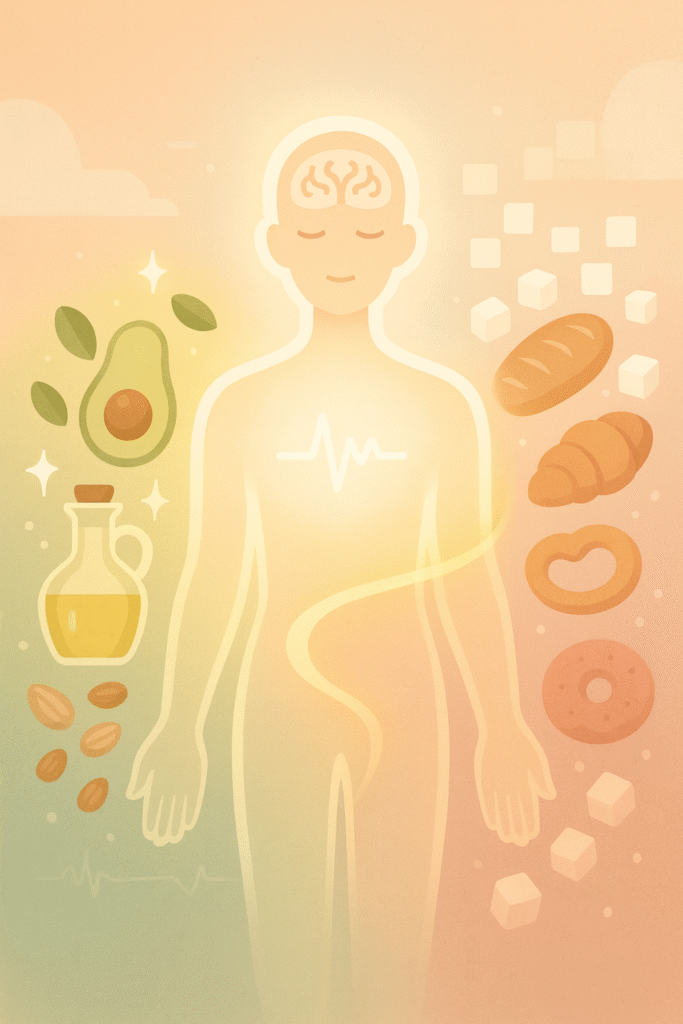
## 🕯️ Why Do People Get Fat?
**Because we’ve been believing the biggest lie of our time — “Eating fat makes you fat.”**
It was the year **2006.**
A well-known doctor from Tripura had written a book that came into my hands.
I don’t remember the exact title now — perhaps *“Lean Body, Fat Body”* or something similar —
but I clearly remember one line from it:
> “Fat is a dangerous thing — painful when present, and painful when absent.”
According to him, the only way to stay fit was to avoid oily foods.
At that time, I was desperate to lose weight.
No matter what I tried, the numbers on the scale wouldn’t move.
So when I read that book, I thought —
*“Ah! Finally, I’ve found the secret key!”*
And so began my mission: a complete **No-Oil Diet.**
I stopped eating everything that contained fat.
I’m a disciplined person — once I decide something, I give it everything.
For three whole months, I didn’t even look at a drop of oil.
But when I finally stepped on the weighing scale, I was shocked —
My weight hadn’t gone down at all!
Instead, my skin had dried up, my nails had become brittle,
and my hair started falling out like never before.
It felt as if my body was whispering to me —
> “You’re walking the wrong path.”
I had no choice but to stop that “no-oil” experiment.
At that time, I didn’t know the truth —
that fat was never the real culprit; **carbohydrates were.**
—
Today, after many years of study and experience, I can say with certainty —
**“Eating fat doesn’t make you fat.”**
Fat is not your enemy. It’s your essential ally.
Your brain, hormones, skin, and heart — all thrive on healthy fats.
It’s not the oils that make you obese —
it’s the excess *rice, bread, sugar, and processed food* that trigger insulin spikes,
and that insulin quietly stores all the extra energy as body fat.
In short —
**It’s not fat that makes us fat.
It’s our wrong thinking that does.**
—
And this wrong thinking has been passed down through generations.
Many still believe that *“without fish, meat, or eggs, you can’t stay healthy.”*
Even some doctors reinforce this false narrative.
But **nature is never that cruel.**
The human body is a self-healing design —
if you feed it with the right balance of **natural fats, proteins, and whole foods,**
it knows exactly how to maintain its own health.
If the root cause of a disease is misunderstood,
no amount of medicine can ever truly heal the body.
Real healing begins only when we recognize the truth.
So now, I tell everyone —
> “Don’t fear food.
> Fear misinformation.”
—
From my own journey, I’ve learned —
**Fat is not the villain;
excess carbohydrates are the real reason your body stores fat.**
You don’t lose weight by avoiding oil —
you lose it by **restoring your insulin rhythm**
and teaching your body to burn fat again.
Honestly, I feel grateful to that old doctor —
because his mistake led me to the truth.
And now, I’m sharing that truth with the world through my book —
so that no one ever walks the same wrong path I once did.
✍️ — **Yogi Krishnadev Nath** -
ভেজিটেরিয়ানরা প্রোটিন কোথায় পাবেন ?
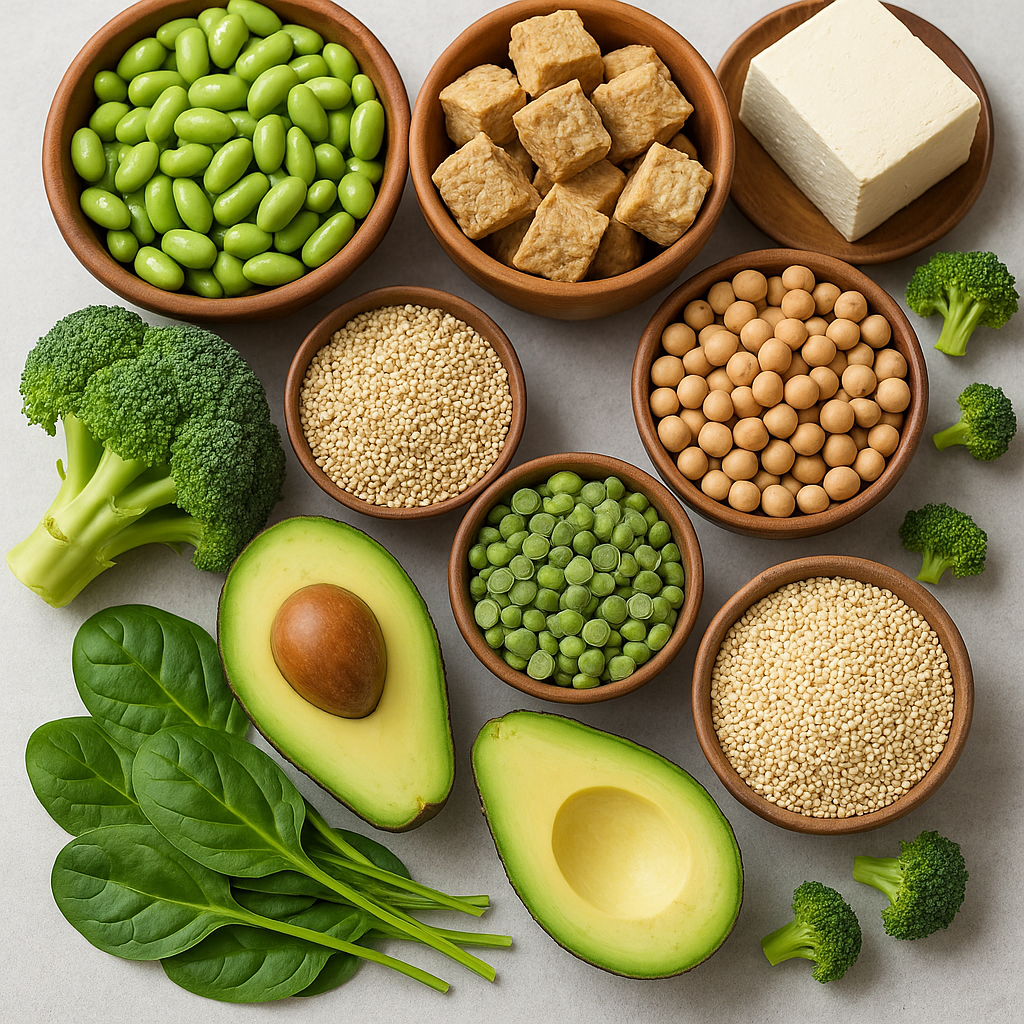
প্রোটিননিয়েপাঁচটি_কথা
১) প্রোটিন মানে শুধুই পেশি তৈরি করা নয়, বরং চেতনাও। আজকের পৃথিবীতে এমন ধারণা ছড়িয়ে পড়েছে যে, যাঁরা নিরামিষ খায়, তাঁরা নাকি দুর্বল। বিশেষ করে এই যুগের ভগবান হিসেবে পরিচিত কিছু সংখ্যক ডাক্তাররাই এই ধরনের ধারণা ছড়িয়ে দেওয়ার প্রধান কারিগর।
কিন্তু সত্য হলো, প্রোটিনের উৎস প্রাণ নয়, প্রণয়।
যে খাবার জীবনকে সৃষ্টি করে, সেটাই প্রকৃত শক্তির উৎস।
তুমি যদি হৃদয় দিয়ে খাও, তাহলে সেই খাদ্য শুধু শরীর নয়, তোমার আত্মাকেও পুষ্ট করবে।২) প্রকৃতির দানই এই পৃথিবীর সবচেয়ে বড় পরম ল্যাবরেটরি। একটি ছোট্ট বীজ কেমন করে বিশাল বৃক্ষের রূপ নেয় ? সে কোন হাতির মাংস খায় ? সে তো মাছ, ডিম বা মাংস খায় না; তবুও তার ভেতরেই আছে জীবন গঠনের কোড প্রোটিন। প্রকৃতির প্রতিটি দানা, বীজ, ও সবজির মধ্যে লুকিয়ে আছে সেই সূক্ষ্ম জীবনশক্তি — যা মাটি, বৃষ্টি ও সূর্যের মিশ্রণে তৈরি হয়। প্রোটিনের এই স্রোত প্রাণহানির জন্য নয়, বরং জীবনধারার একটি কল্যাণকর প্রতীক।
৩) মানুষের খাওয়া নয়, উদ্দেশ্যই পুষ্টি দেয়। তুমি কী খাচ্ছো, সেটা যতটা গুরুত্বপূর্ণ, তার চেয়েও বেশি গুরুত্বপূর্ণ হচ্ছে — তুমি কেন খাচ্ছো। যে খাদ্য অন্য কোনো প্রাণীকে হত্যার মাধ্যমে আসে, তা শরীরকে শক্তি দিলেও মনকে ক্লান্ত করে তোলে। কিন্তু যে খাদ্য প্রকৃতির আশীর্বাদে জন্মেছে, বিধাতা যাকে আমাদের শরীরের কোডের সঙ্গে ম্যাচিং করে সৃষ্টি করেছেন, সেটা শরীর ও মনের মধ্যে একসাথে শান্তি ও প্রাণশক্তি আনে। তাই খাবার শুধু দেহের জ্বালানি তেল নয়, এটা চেতনারও অংশ।
৪) ভেজিটেরিয়ানরা হলো এই পৃথিবীর এক উচ্চতর বিবর্তনের অংশ। ভেজিটেরিয়ান হওয়া মানে শুধু খাদ্যাভ্যাস নয়, এটা এক আত্মবিকাশের পথ। যে মানুষ জানে, খাদ্যের মধ্যে দয়া মায়া মমতা করুণা রাখলেও শক্তিশালী থাকা যায়, সে-ই তো প্রকৃত অর্থে মানুষ। এই নীরব বিপ্লবীরাই তো পৃথিবীকে শিক্ষা দেয় — শক্তি মানে অন্যের প্রাণ কেড়ে নেওয়া নয়, শক্তি মানে নিজের বিবেককে জাগানো।
৫) আমার ভেজিটেরিয়ান বন্ধুরা প্রোটিনের প্রকৃত উৎস নিয়ে খুবই বিভ্রান্ত হয়ে পড়ে। যারা ভাবে প্রোটিন কেবল প্রাণীজ উৎসেই আছে, তারা ভুল ভাবছে। প্রকৃতি মা আমাদের দিয়েছেন আমিষের অসংখ্য বিকল্প, যেমন —
ডাল, ছোলা ও রাজমা: এগুলোর প্রতিটি কাপেই থাকে ৮–১৫ গ্রাম প্রোটিন।
বাদাম, সূর্যমুখীর বিচি, কুমড়োর বিচি: দিনে এক মুঠোই যথেষ্ট প্রোটিন শক্তির উৎস।
মাশরুম: সব essential amino acid প্রায় পূর্ণ।
পনির ও দুগ্ধজাত খাবার: দেহের পেশি ও হাড় দুটোকেই মজবুত করে।
সোয়াবিন: নিরামিষাশীদের জন্য সম্পূর্ণ প্রোটিনের সেরা উৎস।
প্রকৃতি কারও সঙ্গে প্রতারণা করে না। যে তার কাছ থেকে নিতে জানে, সে শুধু দেহ নয় — নিজের আত্মাকেও পুষ্ট করে তুলতে পারে। প্রোটিন শুধু শরীরের নয়, জীবনেরও স্থপতি। তুমি কী খাচ্ছো সেটা নয়, বরং তুমি কীভাবে বাঁচছো, সেটাই আসল শক্তি।
এই ধরনের আরও কিছু জানতে চাইলে ভিজিট করুন: 👇
https://ykdonline.in -
জীবন মানে কী ?
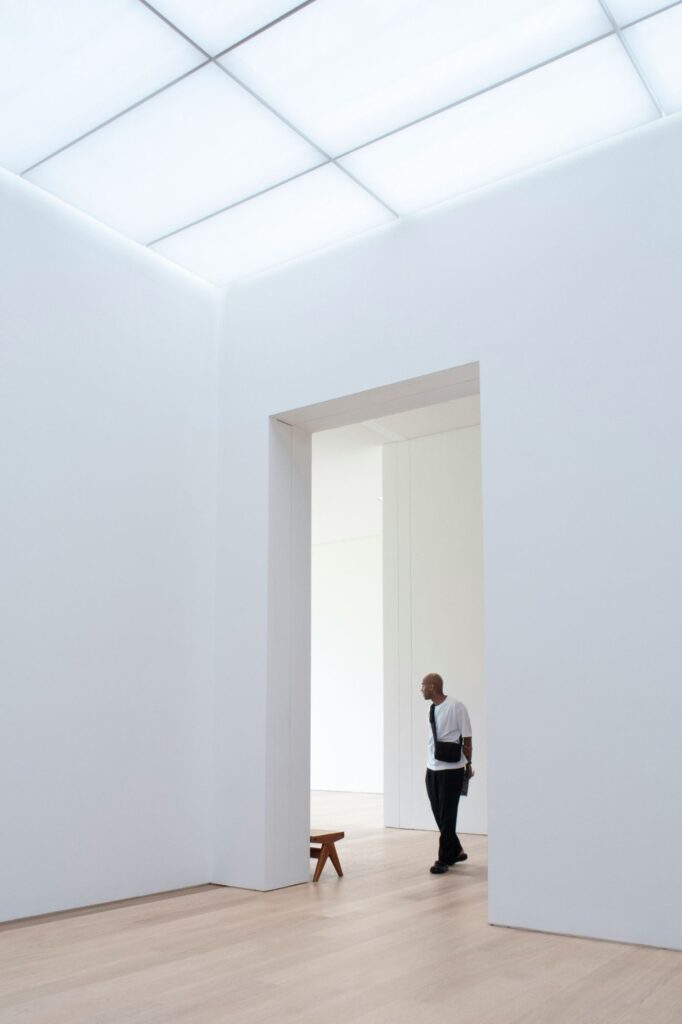
জীবন মানে কী ? জীবন আসলে দুটি দরজার মাঝখানের একটি ছোট্ট ঘর।
আমরা একটি দরজা দিয়ে আমরা ঢুকি, আরেকটি দরজা দিয়ে বেরিয়ে যাই।
এই দুটি দরজার ওপারে কী আছে, কেউ জানে না। না জন্মের আগের কিছু জানা যায়, না মৃত্যুর পরের কিছু জানা যায় —
জানা যায় শুধু ঘরের ভেতরের এই সামান্য সময়ের পথচলাটুকুই,
যাকে আমরা বলি — জীবন।
এই ঘরের ভেতরে আমাদের পদচারণা বড়জোর সত্তর, আশি, বা ভাগ্য ভালো হলে একশো বছর।
এই অল্প সময়েই আমরা হাসি, কাঁদি, ভালোবাসি, স্বপ্ন দেখি,
হারাই, আবার ফিরে পাই —
এটাই জীবনের ছন্দ।
জীবনের অনেক কিছুই আমাদের হাতে নেই —
আমরা জন্ম ঠিক করতে পারি না, মৃত্যু ঠিক করতে পারি না,
কিন্তু একটি জিনিস একেবারে আমাদের নিজের হাতে —
আমাদের শরীর, আমাদের মন, আর আমাদের আচরণ।
এই শরীরটাই আমাদের বাহন,
এই মনটাই আমাদের দিকনির্দেশক —
তাদের অবহেলা নয়, যত্ন পাওয়া প্রাপ্য।
জীবন সুন্দর তখনই,
যখন আমরা এই দেহ আর মনকে শ্রদ্ধা করতে শিখি,
নিজেকে ভালো রাখতে শিখি,
আর অন্যের জন্য কিছু করে যেতে শিখি।
তাই এই সামান্য ঘরের ভেতরটুকুতে থাকাকালীন,
চেষ্টা করো কিছু ভালো কাজ করার —
যাতে যখন শেষ দরজার ওপারে চলে যেতে হবে,
তখন অন্তত একবার গর্ব করে বলতে পারো —
“হ্যাঁ, আমি সত্যিই বেঁচেছিলাম।” -
একটি সকাল শুধুই একটি নতুন দিনের শুরু না, এই সকালই তোমার জীবন বদলানোর শুরুয়াৎও হতে পারে।
একটি সকাল শুধুই একটি নতুন দিনের শুরু নয়, এই একটি সকালই তোমার জন্য একটি নতুন জীবনের শুরুয়াৎও হতে পারে, যদি তুমি তোমার জীবনশৈলীকে বদলানোর মানসিকতা রাখ।
সকালের প্রথম এক ঘণ্টা — এই সময়টা নাকি পুরো দিনের ভাগ্য নির্ধারণ করে।
তুমি যদি এই এক ঘণ্টা নিজের জন্য দিতে পারো,
তাহলে দিনটা বদলে যাবে, জীবনও বদলাবে। 🌿
তাহলে কী করবে সেই এক ঘণ্টায় ?
1️⃣ চুপচাপ কিছুক্ষণ নিঃশব্দে বসো।
কিছু বলো না, কিছু ভেবো না। শুধু শ্বাস নাও আর ছাড়ো।
এতে মন শান্ত হয়, ব্রেন সক্রিয় হয়।
2️⃣ সূর্যের আলো মুখে নাও।
Vitamin D শুধু নয়, সকালের আলো মেলাটোনিন থেকে সেরোটোনিনে বদলে দেয়—
মানে ঘুম থেকে জাগিয়ে তোলে সুখের হরমোন।
3️⃣ এক গ্লাস গরম জল, লেবু আর সামান্য মধু।
শরীরের ভিতরের টক্সিনগুলো ধীরে ধীরে বেরিয়ে যায়।
4️⃣ মোবাইল নয়, নিজের চিন্তা।
অন্যের পোস্ট দেখার আগে নিজের ভেতরের পোস্ট পড়ো।
5️⃣ দেহকে নাড়াও।
হালকা স্ট্রেচিং, প্রণায়াম বা ৫ মিনিট সূর্যনমস্কার –
রক্তে নতুন অক্সিজেন পাঠায়, দিনটাকে করে তোলে ফ্রেশ।
জীবন আসলে অনেক সহজ,
যদি তুমি সকালটা নিজের মতো করে শুরু করো।
একটি নতুন সকাল, একটি নতুন শক্তি – নিজেকে ভালোবাসো, জীবনকে সম্মান দাও।
🔗 আরও স্বাস্থ্য, আধ্যাত্মিকতা ও জীবনযাপন সম্পর্কিত লেখা পড়তে ভিজিট করো:
👉 https://ykdonline.in -
শরীর ও আত্মার সম্পর্ক
“শরীর এক যন্ত্র, আত্মা তার চালক”
আমরা আজকের যুগে শরীরকে দেখি একটি মেশিন হিসেবে — খাওয়াই, চালাই, ক্লান্ত হলে রিচার্জ করি।
কিন্তু আসল সত্য হলো, এই শরীর এক যন্ত্র, যার চালক আত্মা।
এই যন্ত্রটি যতই সুন্দর, শক্তিশালী, দ্রুত হোক না কেন — চালক ছাড়া সেটি নিস্তব্ধ, নিস্পন্দ।
যখন আত্মা জাগ্রত হয়, শরীর তখন তার প্রকৃত উদ্দেশ্যে পৌঁছে যায়।
তখন প্রতিটি শ্বাসে আসে সচেতনতা, প্রতিটি কাজে প্রকাশ পায় দেবত্ব।
এই হল যোগের আসল অর্থ — শরীর, মন ও আত্মার মিলন।
প্রাচীন ভারতীয় জ্ঞান বলে: “যন্ত্র শরীরে আত্মা বসে থাকলে তবেই কর্ম ফলপ্রসূ হয়।”
তাই উপবাস, প্রার্থনা, ধ্যান — এগুলো শুধুই ধর্মীয় আচরণ নয়;
এগুলো হল শরীরের তারগুলো টিউন করার উপায়, যাতে আত্মার সুর ধ্বনিত হয়।
আজকের মানুষ মেশিন বানাচ্ছে, কিন্তু নিজের এই জীবন্ত যন্ত্রকে ভুলে যাচ্ছে।
যার ফল — ক্লান্তি, হতাশা, বিভ্রান্তি।
আসলে দোষ শরীরের নয়, সমস্যা চালকের মনোযোগে।
তুমি যদি চাও নিজের জীবনের সুর আবার বাজুক, তাহলে নিজের শরীরকে সম্মান করো, তাকে পরিশুদ্ধ রাখো,
তোমার আত্মার সাথে কথা বলো —
কারণ তুমি এই যন্ত্রের মালিক, তুমিই তার সঙ্গীত। -
আধ্যাত্মিকতা মানে কী ?
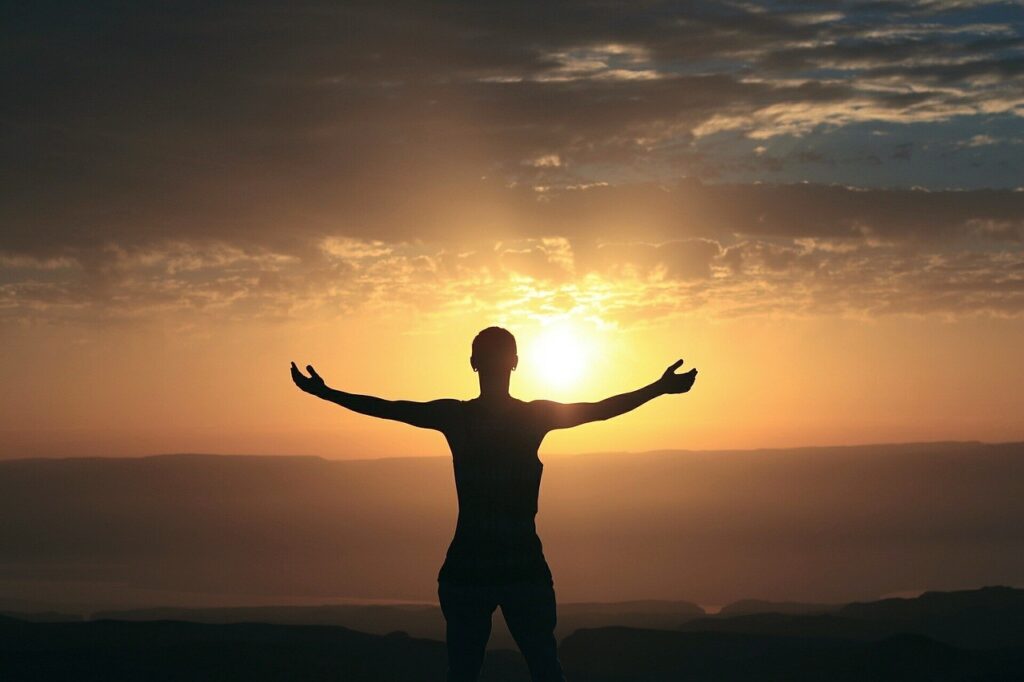
আধ্যাত্মিকতা মানে পালানো নয়, বরং জেগে ওঠা। আজকের যুগে “Spirituality” শব্দটা শুনলেই অনেকের চোখে ভেসে ওঠে— পাহাড়, ধ্যান, সন্ন্যাস, অথবা সংসার থেকে পালিয়ে যাওয়া কোনো জীবনচিত্র।
কিন্তু প্রকৃত আধ্যাত্মিকতা মানে পালানো নয়, বরং জেগে ওঠা এটা হল সেই প্রক্রিয়া, যেখানে মানুষ নিজের ভেতরের ঘুমন্ত শক্তিকে চিনে নিতে শেখে। প্রতিদিন সকাল থেকে রাত— আমরা যেভাবে ছুটে চলি, সেটাই তো এক যান্ত্রিক দৌড়।
অফিস, বাড়ি, দায়িত্ব, অর্থ, স্ট্রেস— এই চক্রের ভেতরেই আমরা ধীরে ধীরে ভুলে যাই,
আমাদের আসল সত্তা কোথায় হারিয়ে গেছে।
আধ্যাত্মিকতার মূল লক্ষ্যই হল— এই হারিয়ে যাওয়া সত্তাকে খুঁজে পাওয়া। আধ্যাত্মিকতা মানে জীবনকে এড়িয়ে যাওয়া নয়। অনেকে ভাবে আধ্যাত্মিক মানুষ মানেই সংসারবিমুখ—
কিন্তু বাস্তবতা উল্টোটা।
যে মানুষ সত্যিই আধ্যাত্মিক, সে জানে কিভাবে সংসারের মধ্যে থেকেও নিজের অন্তরের শান্তি অক্ষুণ্ণ রাখা যায়।
সে সংসারের মধ্যে থেকেও সংসারের বাইরে দাঁড়াতে শেখে। গৌতম বুদ্ধও তো রাজপ্রাসাদ ছেড়ে গিয়েছিলেন, কিন্তু পরে তিনিই আবার সমাজের মধ্যে ফিরে এসেছিলেন—
মানুষকে পথ দেখাতে।
তাই আসল আধ্যাত্মিকতা হল বিমুখতা নয়, বরং জাগরণ। আধুনিক জীবনে কেন প্রয়োজন আধ্যাত্মিকতা। আজকের মানুষ প্রযুক্তিতে উন্নত, কিন্তু মানসিকভাবে ক্লান্ত।
ডিজিটাল নেশা, স্ট্রেস, সম্পর্কের টানাপোড়েন— সবই মনের ভারসাম্য কেড়ে নিচ্ছে।
এই সময়ে আধ্যাত্মিকতা হচ্ছে মনের থেরাপি, যা বিজ্ঞানেও প্রমাণিত হয়েছে— ধ্যান বা প্রার্থনা করলে
মস্তিষ্কে “অ্যালফা ও থেটা ওয়েভ” বেড়ে যায়, যা প্রশান্তি ও আত্মবিশ্বাস বাড়ায়। আধ্যাত্মিকতা মানে কোনো ধর্মবিশ্বাস নয়।
এটা এমন এক সার্বজনীন বিজ্ঞান, যা শেখায়—
তুমি কে, কেন এখানে, আর তোমার জীবনের উদ্দেশ্য কী আধ্যাত্মিক জীবনযাপন শুরু করার ৩টি সহজ ধাপ হলো,
১. প্রতিদিন নীরবতার জন্য সময় রাখো। সকালবেলা বা রাতের শেষে ১৫ মিনিট নিজের ভেতরের সঙ্গে কথা বলো।
২. কৃতজ্ঞতার অভ্যাস করো প্রতিদিন, ৩টি জিনিস লেখো, যেগুলোর জন্য তুমি কৃতজ্ঞ। এতে মন শান্ত থাকে।
৩. প্রকৃতির সঙ্গে সম্পর্ক গড়ো —
বসন্তে ফুল, বর্ষায় মাটি, শীতে রোদ— এইসবের মধ্যেই আছে ঈশ্বরের ছোঁয়া। এটাই আসল লাইফস্টাইল— যেখানে “সুখ” কোনো গন্তব্য নয়,
বরং প্রতিদিনের পথচলার সঙ্গী।
আধ্যাত্মিকতা মানে চোখ বন্ধ করে বসে থাকা নয়,
বরং চোখ খুলে দেখা— নিজের, অন্যের, আর পৃথিবীর আসল রূপ।
যে দিন মানুষ এই সত্যটা উপলব্ধি করবে,
সেই দিন পৃথিবী থেকে অন্ধকার মুছে যাবে।
কারণ আধ্যাত্মিকতার আসল মানে—
অন্ধকারে পালানো নয়, বরং আলো জ্বালানো।
<p><em>“Spiritual awakening doesn’t take you away from life —
it brings you closer to life.”</em></p>
<p>— <strong>Yogi Krishnadev Nath</strong>
<br>
Founder, <a href=”https://ykdonline.in” target=”_blank”>ykdonline.in</a></p>
<hr>
<h3>🪔 Tags:</h3>
<p>#SpiritualAwakening #YogiKrishnadevNath #IndianWisdom #KDlifeStyle #Meditation #Mindfulness #InnerPeace #SelfRealization #SpiritualJourney #ykdonline</p> -
শরীর – এক মন্দির
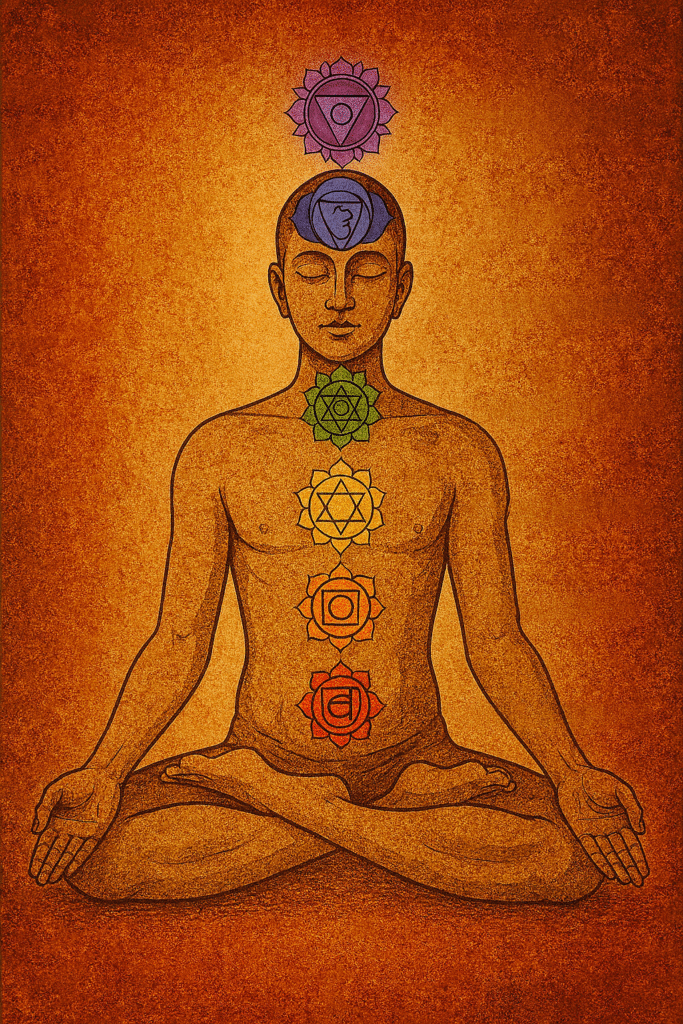
শরীর — এক মন্দির
প্রত্যেক মানুষের জীবনে এক অদ্ভুত যাত্রা চলছে— বাইরের ঈশ্বরকে খোঁজার। কেউ তাঁকে খুঁজছে মন্দিরে, কেউ খুঁজছে মসজিদে, কেউ বা গির্জায়। কেউ পাহাড়ের নির্জনতায় বসে ধ্যানের মাধ্যমে তাঁকে উপলব্ধি করতে চাইছে। অথচ যে মন্দিরে স্বয়ং ঈশ্বর প্রতিদিন প্রতিক্ষণ বিরাজ করেন, সেটিকে আমরা প্রায়ই অবহেলা করি। এই মন্দির হলো আমাদের নিজের শরীর।
শাস্ত্র বলেছে, “শরীরমাদ্যং খলু ধর্মসাধনম্।”
অর্থাৎ, শরীরই হলো ধর্ম সাধনার প্রধান মাধ্যম। যে দেহ সচল, শুদ্ধ ও সজীব — সেই দেহেই বাস করেন ঈশ্বর।
এই দেহই তো দেবমন্দির, যেখানে আত্মা, প্রাণ ও চেতনা মিলিত হয়ে জীবনের উৎস সৃষ্টি করে।শরীরের প্রতিটি কোষ, প্রতিটি শ্বাস, প্রতিটি হৃদস্পন্দন আসলে একেকটি জপমালা।
যেভাবে মন্দিরে প্রতিদিন শুদ্ধিকরণ, আরতি ও প্রসাদ হয়,
তেমনি শরীরেরও প্রতিদিন প্রয়োজন যত্ন, শৃঙ্খলা ও শ্রদ্ধা।শরীরের মন্দির – বিজ্ঞানের আলোয়:
আমাদের দেহের প্রতিটি কোষ হচ্ছে একেকটি জীবন্ত মন্দির। প্রতিটি কোষের মধ্যেই রয়েছে তার নিজস্ব শক্তি কেন্দ্র— মাইটোকন্ড্রিয়া, যা অগ্নিদেবতার মতো জ্বালিয়ে রাখে জীবনের প্রদীপ। শরীরের
প্রতিটি স্নায়ু বহন করে চেতনার সুর,
আর প্রতিটি রক্তবিন্দু যেন প্রথম প্রভাতের আরতির ঘণ্টাধ্বনি।যখন তুমি বিষাক্ত খাবার খাও, অতিরিক্ত রাগ করো, দেরি করে ঘুমাও, তখন তুমি আসলে তোমার মন্দিরে ধুলো ফেলছো।
আর যখন তুমি উপবাস করো, বিশ্রাম নাও, শান্তি বজায় রাখো—
তখন তুমি তোমার মন্দিরকে ধূপ–ধুনোয় পরিশুদ্ধ করছো।বৈজ্ঞানিকভাবে, এই যত্নই আমাদের হরমোন, ইমিউন সিস্টেম, ও নিউরোট্রান্সমিটারের ভারসাম্য রক্ষা করে।
এই ভারসাম্যই মানুষের মধ্যে মানসিক শান্তি, আত্মবিশ্বাস ও স্থিতিশীলতা আনে।আধ্যাত্মিক দৃষ্টিতে – দেহই ঈশ্বরের আসন:
উপনিষদে বলা হয়েছে— “যঃ পুরুষঃ তস্য দেহং গৃহম্।”
অর্থাৎ, দেহই হলো সেই পরম পুরুষের গৃহ।তুমি যখন নিজের শরীরকে শ্রদ্ধা করো, তখনই ঈশ্বরকে শ্রদ্ধা করছো।
তুমি যখন শরীরকে ক্লান্ত, অবহেলিত ও অপবিত্র রাখো,
তখন যেন মন্দিরের প্রদীপ নিভে যাচ্ছে ধীরে ধীরে।সত্যিকারের সাধনা শুরু হয় এখানেই— নিজের শরীরের ভেতরে।
প্রত্যেকটি শ্বাস যখন সচেতনভাবে নেওয়া হয়,
প্রত্যেক আহার যখন প্রণাম দিয়ে গ্রহণ করা হয়,
প্রত্যেক ঘুম যখন শান্তির সঙ্গে আসে—
তখন এই শরীরই পরিণত হয় এক জীবন্ত মন্দিরে।শরীরের সাত আচারের কথা:
এই দেহমন্দিরের স্থায়িত্ব ও পবিত্রতা রক্ষার জন্য প্রয়োজন সাতটি আচারের সমন্বিত সাধনা —
এই সপ্তাচার হলো– ভোজন, ভাণ্ডারা, প্রয়াস, উপবাস, নিদ্রা, শ্বাস ও ধ্যান।**যেভাবে মন্দিরে সাতটি দ্বার থাকে দেবদর্শনের জন্য,
তেমনি শরীরের এই সাতটি আচারই হলো দেবমন্দিরের সাতটি পথ।
যে ব্যক্তি এই পথগুলো নিয়মিতভাবে পালন করে,
তার শরীর, মন ও আত্মা এক সুরে বেজে ওঠে—
যেন সারেগামাপাধানির পূর্ণ সমন্বয়ে সৃষ্টি হয়েছে জীবনের মহাসঙ্গীত।নিজের দেহমন্দিরে ফিরে আসা:
এই পৃথিবী নানা প্রলোভনে ভরা—
ফাস্টফুড, রাগ, প্রতিযোগিতা, অতিরিক্ত তথ্যের চাপ—
সব মিলিয়ে মানুষ নিজের ভেতরের মন্দিরকে ভুলে যাচ্ছে।
কিন্তু যতদিন তুমি জীবিত, ততদিন এই শরীরই তোমার একমাত্র আশ্রয়,
তোমার ঈশ্বর, তোমার উপাসনালয়।এক মুহূর্ত চুপ করে নিজের শরীরকে অনুভব করো—
তোমার শ্বাসের চলাচল, হৃদয়ের ধ্বনি, চোখের দৃষ্টি—
সবই তো জীবনের আরতি।
তুমি আসলে প্রতিদিন এই দেহমন্দিরেই পূজা করছো—
কেবল সেটা স্মরণ করতে হবে।যে মানুষ নিজের শরীরকে ভালোবাসতে শেখে,
সে কখনো অন্যকে ঘৃণা করতে পারে না।
যে নিজের ভিতরের মন্দিরকে পরিষ্কার রাখে,
তার জীবনের বাইরে কোনো অন্ধকার থাকে না।তাই সবসময় মনে রাখতে হবে— তোমার শরীরই তোমার প্রথম মন্দির,
তোমার জীবনই সেই পূজা,
আর তোমার সচেতনতাই — সেই ঈশ্বর।
নিজের দেহমন্দিরে আলো জ্বালাও,
ঈশ্বর তখন তোমার মধ্যেই বসবাস করবেন।