Tag: education philosophy
-
আব্রাহামিক রিলিজিয়ন কী ?
আব্রাহামিক রিলিজিয়ন কী ?
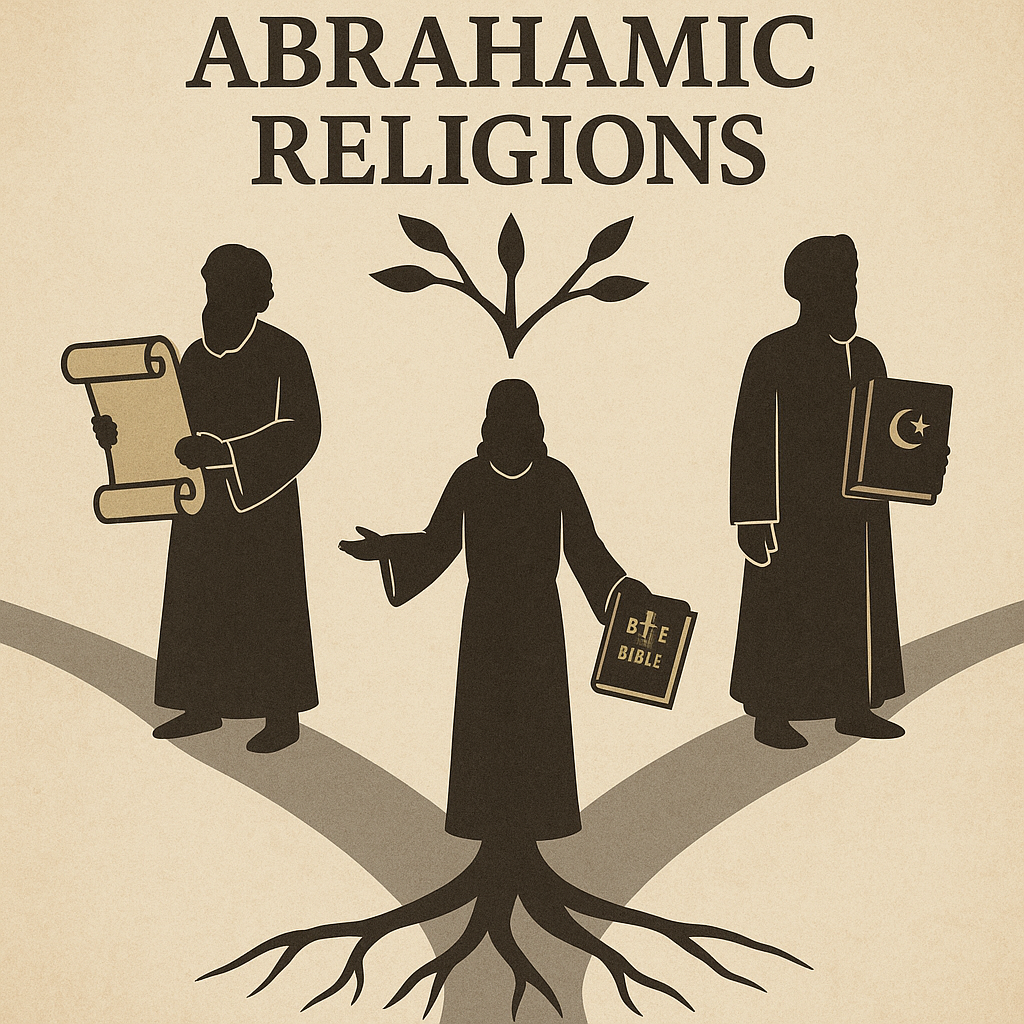
এক শিকড় থেকে উদ্ভূত তিনটি পথ বা রিলিজিয়ন ইহুদি, খ্রিস্টান ও ইসলামকেই আব্রাহামিক রিলিজিয়ন বা ধর্ম বলা হয়। একই পূর্বপুরুষ ইব্রাহিম বা আব্রাহাম থেকে উদ্ভূত হয়েছে এই তিনটি ধর্মীয়-সাংস্কৃতিক বংশ; তবুও তাদের মধ্যে কেন এত ভাঙন, কেন এত রক্তপাত, এত শত্রুতা কেন ? এই বিষয়টি জানতে হলে ইহুদি, খৃস্টান ও ইসলাম ধর্মের নবয়ুতের বিষয়টি সম্পর্কে জানতে হবে। নবুয়ত মানে নবী বা প্রফেট পদমর্যাদার একজন ব্যক্তি। নবয়ুতের উত্তরাধিকার নিয়ে বিরোধের বীজ রোপিত হয়েছে মূলত এই তিনটি ধর্মমতের তিনজন প্রবর্তককে কেন্দ্র করে। এঁরা হলেন মোযেস, যীশু, ও মুহাম্মদ।
১) মোযেস এবং ইহুদি ধর্ম
প্রায় চার হাজার বছর আগে মোযেস এলেন, তোরাহ (ওল্ড টেস্টামেন্ট) আনলেন। ইহুদিদের মুক্ত করলেন দাসত্ব থেকে। তিনি বললেন, “আমার পরে আরেক জন আসবে।” অর্থাৎ তিনি ঈশ্বরের শেষ বাণী দিয়ে দিয়েছেন এমনটা দাবি করেননি, বরং অপেক্ষার বীজ বপন করলেন। এরফলে ইহুদিরা পরবর্তী মশীহার জন্য অপেক্ষায় রইল।
২) যীশু এবং খৃস্টান ধর্ম
দেড় হাজার বছর পরে এলেন যীশু। তিনি বললেন, “আমিই ঐশ্বরিক আইনের পূর্ণতা। ঈশ্বরের রাজ্য এখন মানুষের হৃদয়ে।” তিনি তাঁর বাণীগুলো দিলেন নিউ টেস্টামেন্ট হিসেবে – যা পরবর্তীতে বাইবেল হিসাবে খ্যাত হয়। তিনিও বললেন, “আরো একজন আসবে পরবর্তীতে।” কিন্তু ইহুদিরা তাঁকে মানলো না। তারা বলল – “না, তিনি আমাদের প্রতিশ্রুত মশীহ নন।” এর ফলেই খ্রিস্টধর্ম শুরু হলো, সেইসাথে শুরু হলো ইহুদি–খ্রিস্টান বিভাজন।
৩) মুহাম্মদ এবং ইসলাম
এর মাত্র ৫৭০ বছর পর এলেন মুহাম্মদ। কুরআন শরীফ আসলো। তিনি বললেন, “এই কোরআনই চূড়ান্ত সত্য। আমিই শেষ নবী। এরপর আর কেউ আসবে না।” এখানেই নবুয়তের দরজা বন্ধ করে দিলেন। এতে করে নতুন আরেকটি কেন্দ্র তৈরি হলো – যেখানে যীশুকে নবী হিসাবে মানা হলেও, তাঁকে ঈশ্বরের সন্তান বলে স্বীকার করা হলো না। আর খ্রিস্টকে অস্বীকার করলে কুফর বলা হলো।
এই তিনটি রিলিজিয়নের মূল লড়াই হচ্ছে প্রেরিতের বৈধতা নিয়ে। হুদিরা বলল – যীশু মিথ্যা। খ্রিস্টানরা বলল – যীশুই সত্য, মুহাম্মদ নন। মুসলমানরা বলল – সবাই সত্য, কিন্তু মুহাম্মদই “চূড়ান্ত।” এরপর আর কেউ নেই। একই ঈশ্বর, একই নবুয়তের ঐতিহ্য, কিন্তু সত্যের শেষ আসন কে পাবে – এই নিয়ে দ্বন্দ্ব।
প্রশ্নটা হচ্ছে নবুয়তের দরজা বন্ধ নাকি খোলা ?
মোযেস দরজা খোলা রাখলেন। যীশুও খোলা রাখলেন। কিন্তু মুহাম্মদ দরজা বন্ধ করে দিলেন। এই “দরজা বন্ধ” ঘোষণাই সবচেয়ে বড় রাজনৈতিক ও ধর্মীয় সংঘর্ষের মূল কারণ।
একটা ভবিষ্যদ্বাণীকে পুঁজি করেই তিনটি ধর্ম গড়ে উঠেছিল। কিন্তু শেষ সত্য কে বলবে – এই দখলদারি থেকেই শুরু হল বিরোধ, বিভক্তি ও রক্তপাত। এক ঈশ্বরের নামে তিনটি পথ, তিনটি গ্রন্থ, আর অসীম বিভাজন – এটাই আব্রাহামিক ধর্মের সংক্ষিপ্ত ইতিহাস। -
গোমাতা আমাদের, গোমুত্র আমেরিকার !
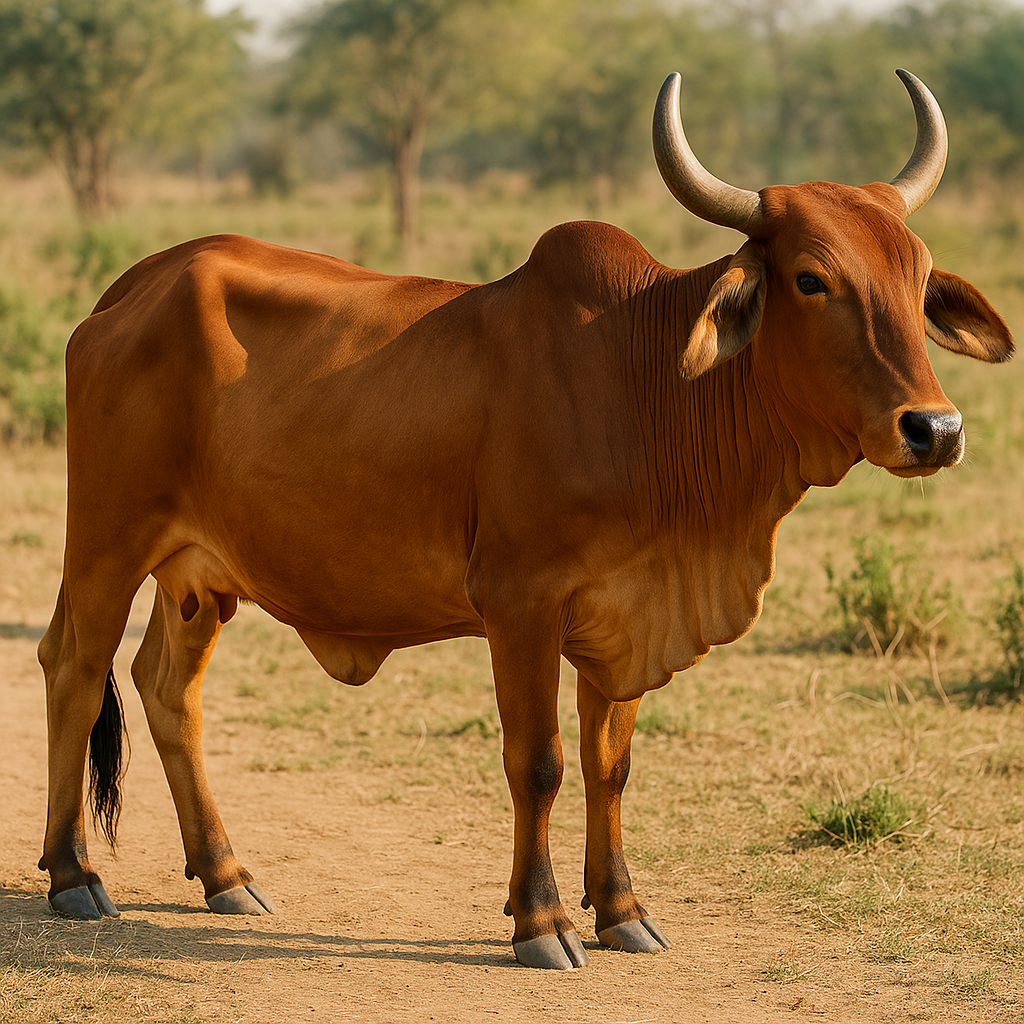
ভারতবর্ষের হাজার বছরের শাস্ত্রে গোমূত্রকে বলা হয়েছে “অমৃততুল্য”। দেহশুদ্ধি, অগ্নিদীপন, রক্তপরিশোধন – এই তিন ক্ষমতার জন্য গোমূত্রকে স্থান দেওয়া হয়েছে আয়ুর্বেদের মূল শিরায়। আধুনিক গবেষণায় তো জানা গেছে আমাদের স্বদেশী গোমুত্রের মধ্যে এমন কিছু ভালো ব্যাকটেরিয়া ও এনজাইম রয়েছে যেগুলো মানুষের গাট হেলথের জন্য একেবারেই অমৃত।
আমাদের পূর্বপুরুষরা কোনো ল্যাবরেটরির রিপোর্ট ছাড়াই শুধু প্রকৃতির ভিতর দিয়ে, উপলব্ধির শক্তিতে, এই জিনিসের গুণ চিনে ফেলেছিলেন।
কিন্তু দুর্ভাগ্যের বিষয় হচ্ছে, আমাদের দেশেরই কিছু মানুষ আজ গোমূত্রের নাম শুনলেই মুখ বিকৃত করে। যেন নিজের শিকড় ভুলে যাওয়া এক সমাজ – যার কাছে নিজস্ব জ্ঞানই ‘বোকামি’, আর বিদেশীরা যা বলে সেটাই ‘বিজ্ঞান’। একটি রাজনৈতিক দলের বিরুদ্ধে সমালোচনা করতে গিয়ে স্বদেশের একটি মহান ঔষধি সম্পদের বিরুদ্ধে প্রচারণা চালানো – এটা কোন ধরনের রাজনীতি ?
সবচেয়ে বিদ্রূপের বিষয় হলো, যে গোমূত্রকে নিয়ে ভারতীয় বুদ্ধিজীবীরাই কটাক্ষ করে, সেই গোমূত্র থেকেই যুক্তরাষ্ট্র বহু বছর আগে পেটেন্ট তুলে নিয়েছে। হ্যাঁ, একদম সত্যি কথা এটা। তাও এক নয়, একাধিক গোমুত্রের পেটেন্ট এখন আমেরিকার হাতে। গোমূত্রের বায়ো-অ্যাকটিভ অংশ, ডিস্টিলেট, এবং অ্যান্টিবায়োটিক বুস্টার হিসেবে ব্যবহারের claim, এসবের ওপর একাধিক পেটেন্ট তারা লুফে নিয়েছে। অর্থাৎ, যা আমরা অবহেলা করি, তাকেই তারা গবেষণা করে, কাগজে-কলমে চিহ্নিত করে, আইন দিয়ে নিজেদের নামে লিখিয়ে নিয়েছে।
আর আমরা ? আমরা নিজের জ্ঞান সম্পদকে “গোবর-গোমূত্র” বলে ঠাট্টা করি। কারণ গোমুত্র তো গরুর বর্জ্য পদার্থ ! অথচ চরম সত্যি কথা হলো— আমাদের দেশের গোমাতার জাত (দেশি প্রজাতির গরু) এর জৈব রাসায়নিক গঠন
ইউরোপীয়/আমেরিকান গরুর থেকে আলাদা। এটাই কারণ, আয়ুর্বেদ কেবল “গোমূত্র” বলে না;
দেশি গোমূত্র বলে। পৃথিবীর অন্য দেশের গরুর মূত্রে এমন ঔষধি গুণ নেই বলেই পেটেন্ট নেওয়া হয়েছে বিশেষভাবে Indian cow urine distillate–এর ওপর।
এটাই আমাদের দুর্ভাগ্য, যা বিদেশীরা বুঝেছে,
আমরা বুঝিনি। আজ যারা গোমূত্রকে অবজ্ঞা করে, তারা হয়তো জানেই না যে তাদের এই উপহাসই বিদেশি ল্যাবকে আমাদের জ্ঞান লুঠ করতে আরও সাহসী করে তুলেছে।
ভারত সবই হারায়; কারণ ভারত নিজের জ্ঞানকে বিশ্বাস করে না। আর এই পোস্টের শেষে একটা কথাই বলতে চাই – যেদিন ভারত নিজের আয়ুর্বেদ, নিজের গরু, নিজের প্রকৃতি, নিজের শাস্ত্রকে সম্মান করতে শিখবে, সেদিন বিদেশের পেটেন্টের দরকারই পড়বে না। অমৃতকে অমৃত ভাবতে হলে
মাথা নয়, চিত্ত বদলাতে হবে। -
ডোরেমন 💙
💙 ডোরেমন 💙
যুদ্ধ, হিংসা আর প্রতিযোগিতার এই পৃথিবীতে
যেখানে প্রতিদিন মানুষ মরে যায় সশব্দ বিস্ফোরণে,
সেখানে তুমি তোমার নীল হাসির বেলুনে ভরিয়ে দিয়েছো সম্পূর্ণ আকাশ।
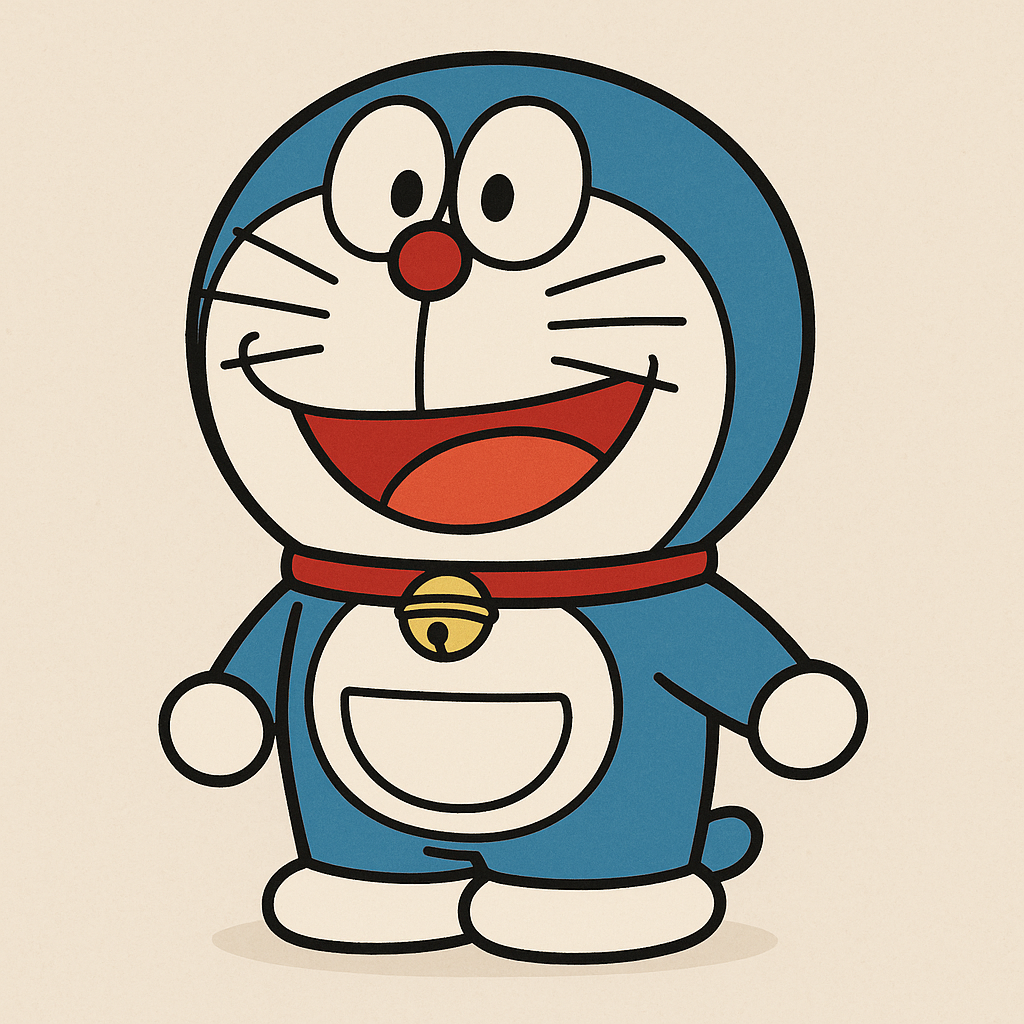
ডোরেমন, তোমাকে নোবেল পুরস্কার দেওয়া হয় না কেন ?
তুমি বন্দুক ধরো না,
গাড়িতে বিস্ফোরক ভরে বম ব্লাস্ট করো না,
তুমি কেবল পকেট খুলে বের করো একেকটা মিরাকল গ্যাজেট;
একটা দরজার ওপারে শান্তি, স্বস্তি, সম্প্রীতি আর বুদ্ধিমত্তা,
আর একটা গ্যাজেটের ভেতরে থাকে
শুধুই নির্ভেজাল বন্ধুত্ব আর ভালোবাসা।
তুমিই তো শিখিয়েছো, ডোরেমন —
দুর্বলতাও এক রকমের সাহস,
আর কান্নাও এক রকমের প্রার্থনা।
কারণ এখানে কিছু থাকুক আর না থাকুক,
অহঙ্কার থাকে না।
নবিতা ভুল করে, তবুও তুমি তাকে বকো না;
এই পৃথিবীর শিক্ষকরা যদি তোমার মতো হতো,
তাহলে আর কোনো শিশু একা থাকতো না।
যে মানুষ ডোরেমন দেখে হাসে, কাঁদে, আবেগে আপ্লুত হয় —
মনে রেখো, তার মধ্যে আজও আলো আছে;
সেই আলোই পৃথিবীর শেষতম আশা।
তবুও, ডোরেমন, তোমাকে নোবেল পুরস্কার দেওয়া হয় না কেন ?
চলো, আজ আমরা সবাই মিলে
তোমার স্রষ্টা ফুজিকোর হাতে তুলে দিই আমাদের হৃদয়ের নোবেল প্রাইজ —
কারণ তিনিই প্রমাণ করেছেন,
একটা কার্টুনও পারে মানুষকে মানুষ বানাতে। -
<!– 🌿 Vinayam Manifesto Page Title Block –>
<h1 style=”font-size:2.2rem; color:#0b3d2e; font-weight:700; margin-bottom:10px;”>
Vinayam: Beyond Pranayama and Manifestation — A New Science of Conscious Breath
</h1>
<h2 style=”font-size:1.25rem; color:#444; font-weight:500; line-height:1.6; margin-top:0;”>
A revolutionary evolution of <em>Pranayama</em> that transforms the <em>Law of Attraction</em>
into a living, conscious experience through the power of breath.
</h2>
<!doctype html>
<html lang=”en”>
<head>
<meta charset=”utf-8″>
<meta name=”viewport” content=”width=device-width, initial-scale=1″>
<title>Vinayam: Beyond Pranayama and Manifestation — A New Science of Conscious Breath</title>
<!– Primary SEO –>
<meta name=”description” content=”Discover Vinayam — an evolution of Pranayama that merges ancient breath science with conscious manifestation. A practical, embodied approach to reclaiming the healing power of breath.”>
<meta name=”keywords” content=”Pranayama, Law of Attraction, Manifestation, Conscious Breathing, Breathwork, Energy Healing, Mindfulness, Meditation, Self-Healing, Vinayam, Breath Control, Yogic Science”>
<!– Open Graph / Facebook –>
<meta property=”og:title” content=”Vinayam: Beyond Pranayama and Manifestation — A New Science of Conscious Breath”>
<meta property=”og:description” content=”Discover Vinayam — an evolution of Pranayama that merges ancient breath science with conscious manifestation. A practical, embodied approach to reclaiming the healing power of breath.”>
<meta property=”og:type” content=”article”>
<meta property=”og:url” content=”https://ykdonline.in/vinayam-manifesto”>
<meta property=”og:image” content=”https://ykdonline.in/assets/images/vinayam-feature.jpg”>
<meta property=”og:site_name” content=”YKDonline”>
<!– Twitter –>
<meta name=”twitter:card” content=”summary_large_image”>
<meta name=”twitter:title” content=”Vinayam: Beyond Pranayama and Manifestation — A New Science of Conscious Breath”>
<meta name=”twitter:description” content=”Discover Vinayam — an evolution of Pranayama that merges ancient breath science with conscious manifestation. A practical, embodied approach to reclaiming the healing power of breath.”>
<meta name=”twitter:image” content=”https://ykdonline.in/assets/images/vinayam-feature.jpg”>
<!– Canonical (edit if necessary) –>
<link rel=”canonical” href=”https://ykdonline.in/vinayam-manifesto”>
<!– Structured Data (Article Schema) –>
<script type=”application/ld+json”>
{
“@context”: “https://schema.org”,
“@type”: “Article”,
“headline”: “Vinayam: Beyond Pranayama and Manifestation — A New Science of Conscious Breath”,
“description”: “Discover Vinayam — an evolution of Pranayama that merges ancient breath science with conscious manifestation. A practical, embodied approach to reclaiming the healing power of breath.”,
“author”: {
“@type”: “Person”,
“name”: “Yogi Krishnadev Nath”
},
“publisher”: {
“@type”: “Organization”,
“name”: “YKDonline”,
“logo”: {
“@type”: “ImageObject”,
“url”: “https://ykdonline.in/assets/images/logo.png”
}
},
“url”: “https://ykdonline.in/vinayam-manifesto”,
“mainEntityOfPage”: “https://ykdonline.in/vinayam-manifesto”,
“datePublished”: “2025-10-17”,
“dateModified”: “2025-10-17”,
“keywords”: “Pranayama, Manifestation, Law of Attraction, Conscious Breathing, Vinayam”
}
</script>
<!– Basic styling (optional inline; remove/replace with site css) –>
<style>
body { font-family: system-ui, -apple-system, “Segoe UI”, Roboto, “Helvetica Neue”, Arial; line-height: 1.75; color:#111; margin:0; padding:0; background:#fff; }
.container { max-width:900px; margin:48px auto; padding:24px; }
h1, h2, h3 { line-height:1.15; color:#0b3d2e; }
h1 { font-size:2.1rem; margin-bottom:8px; }
.kicker { color:#6b6b6b; font-weight:600; margin-bottom:12px; }
p.lead { font-size:1.05rem; color:#222; margin-bottom:18px; }
section { margin:28px 0; }
blockquote { margin:18px 0; padding:12px 18px; background:#f8fdf8; border-left:4px solid #cfe8d6; color:#0a3a2c; }
.cta { margin-top:28px; padding:16px; background:#0b3d2e; color:#fff; display:inline-block; border-radius:6px; text-decoration:none; }
footer { margin-top:44px; color:#666; font-size:0.95rem; }
</style>
</head>
<body>
<div class=”container”>
<p class=”kicker”>Vinayam — The New Philosophy of Breath</p>
<h1>Vinayam Manifesto</h1>
<p class=”lead”><em>The New Philosophy of Breath — awakening human consciousness through the conscious direction of life-force.</em></p>
<section>
<h2>Have you ever wondered—</h2>
<p>
What if your <strong>breath itself</strong> could become the key to your healing? The very breath you take unconsciously every moment—the invisible rhythm that sustains you—may contain a power far deeper than survival alone.
In human history, the discovery of fire changed everything. Today we stand at another threshold: the birth of <strong>Vinayam</strong>.
</p>
</section>
<section>
<h2>The birth of Vinayam: a moment of inner revelation</h2>
<p>
In the stillness of dawn—during a silent hour of attentive presence—a realization emerged: breath is not mere air. It is a living, responsive intelligence, a force that listens, that answers, and that can be consciously guided.
</p>
<p>
The ancient Rishis taught <em>Pranayama</em>—the art of expanding and regulating vital energy. “Prana” denotes life-force; “Ayama” denotes expansion or restraint. Over centuries, that tradition became a technique for calmness and health. Yet its deeper possibility—the deliberate direction of breath by conscious intention—remained mostly unspoken.
</p>
<p>
Standing at that forgotten edge, a new horizon opened: a method where breath is not only controlled, but purposefully guided by awareness. That living discovery is <strong>Vinayam</strong>.
</p>
</section>
<section>
<h2>Etymology & essence — from Pranayama to Vinayam</h2>
<p>
<strong>Pranayama</strong> springs from “Prana” (life-energy) + “Ayama” (expansion/control)—a discipline of restraint and refinement.
<strong>Vinayam</strong> is formed from “Vi” + “Nayam”: “Vi” implying distinctness or specificity, and “Nayam” meaning to lead or direct.
</p>
<p>
Put simply, <strong>Vinayam</strong> means <em>the conscious direction of one’s breath by one’s own awareness</em>. It is not about domination; it is about connection. Not about imposing power on the body, but entering a dialogue with it. In Vinayam, breath becomes the companion of consciousness.
</p>
</section>
<section>
<h2>Vinayam and Manifestation — thought versus embodied experience</h2>
<p>
The Western fascination with the <em>Law of Attraction</em> and <em>Manifestation</em> asks us to believe: if you imagine and feel that you already have what you desire, the universe will align to bring it to you. It is a powerful framework—but primarily mental.
</p>
<p>
<strong>Vinayam</strong> transcends that boundary by shifting from mind-only practice to an embodied science of breath. You do not merely imagine—you sense, you guide, you apply breath deliberately into the body’s living terrain. Where Manifestation operates through mental vibration, Vinayam operates through <em>bio-conscious vibration</em>. Manifestation asks for belief; Vinayam asks for felt experience—and the response begins the very moment you breathe with intention.
</p>
</section>
<section>
<h2>Why this matters — a new stage in human evolution</h2>
<p>
For millennia, humanity sought transformation in the outer world—through medicine, technology, ritual, and therapy. The next revolution is inward. Vinayam is an inward revolution: a practical, non-religious practice of friendship with breath. Each inhalation becomes a bridge between mind and life; each exhalation a return to freedom.
</p>
<blockquote>
Imagine a world where hospitals are reserved mainly for accidents—not for chronic disease. When breath is reclaimed, we stop being prisoners of the body and become architects of our healing.
</blockquote>
<p>
Vinayam is not merely an idea. It is a revelation—an awakening of the ancient fire burning within every human being: the fire of breath, the fire of awareness, the fire of life itself.
</p>
</section>
<a class=”cta” href=”/vinayam-practice-guide”>Start the practice — Vinayam Quick Guide</a>
<footer>
<p>Author: <strong>Yogi Krishnadev Nath</strong> • Published on: 2025-10-17 • Category: Breathwork & Conscious Living</p>
<p>Tags: Pranayama, Manifestation, Conscious Breathing, Breathwork, Vinayam</p>
</footer>
</div>
</body>
</html> -
ছাত্র বা Student শব্দের প্রকৃত অর্থ কী ?
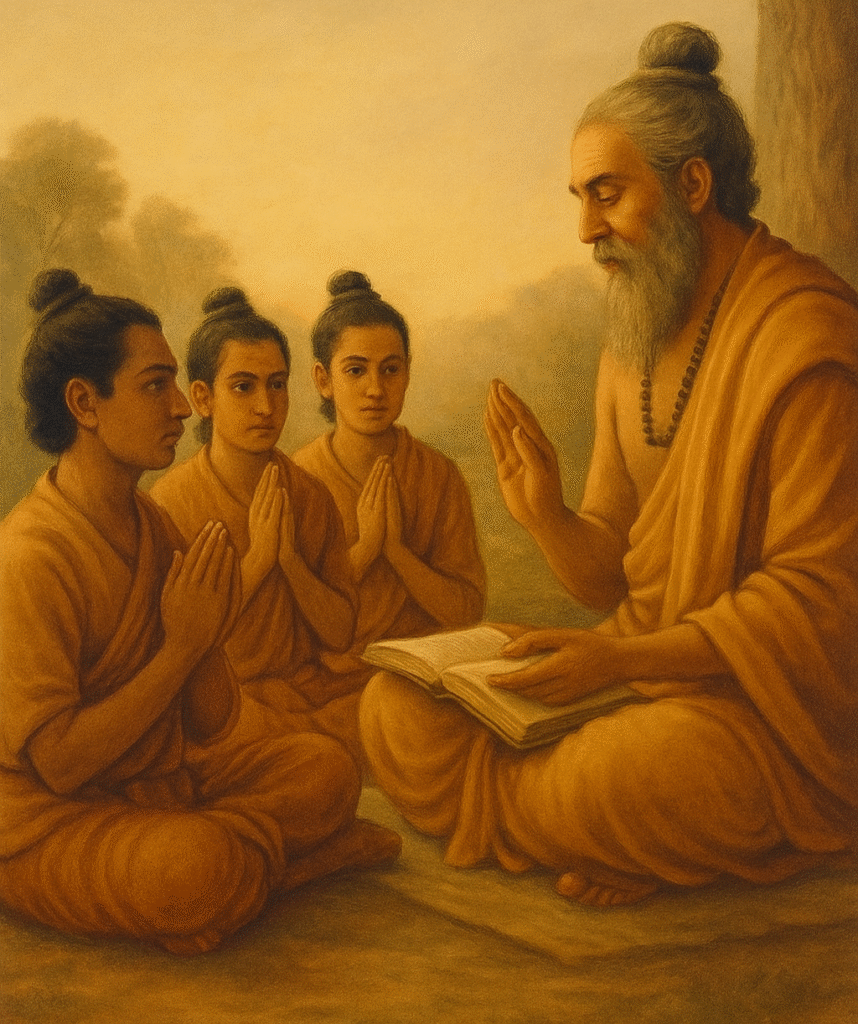
ছাত্র ও Student — দুই শব্দ, এক আত্মা | Yogi Krishnadev Nath
ছাত্র ও Student — দুই শব্দ, এক আত্মা
মানুষের সভ্যতার ইতিহাসে শিক্ষা কখনো কেবল পুঁথিগত বিষয় ছিল না, বরং তা ছিল এক সাধনা — আত্মাকে শুদ্ধ করার, সত্যকে উপলব্ধি করার। এই সাধনার কেন্দ্রবিন্দুতে ছিল এক অনুসন্ধানী মন, যাকে ভারতীয় ঐতিহ্যে বলা হয়েছে ‘ছাত্র’, আর পাশ্চাত্যে বলা হয়েছে ‘student’।
ছাত্র শব্দের মূল
‘ছাত্র’ শব্দটি এসেছে সংস্কৃত ধাতু ‘ছদ্’ থেকে, যার অর্থ আচ্ছাদন করা, সুরক্ষা দেওয়া বা আশ্রয় প্রদান করা। ধাতুর সঙ্গে ‘ত্র’ প্রত্যয় যুক্ত হয়ে তৈরি হয়েছে ‘ছাত্র’ — অর্থাৎ, “যে গুরুর ছায়ায় থেকে শিক্ষা গ্রহণ করে।”
এখানে আরও একটি গভীর অর্থ লুকিয়ে আছে — ‘ছত্র’ মানে ছাতা, অর্থাৎ আশ্রয়। যেভাবে ছাতা বৃষ্টির থেকে রক্ষা করে, ঠিক তেমনই গুরু জ্ঞানের ছত্রছায়ায় শিষ্যকে অজ্ঞানতার অন্ধকার থেকে রক্ষা করেন। তাই ছাত্র মানে — যে গুরুদেবের ছত্রছায়ায় থেকে জ্ঞান গ্রহণ করে, নিজেকে শুদ্ধ করে এবং আলোকিত করে।
Student শব্দের মূল
‘Student’ শব্দটি এসেছে ল্যাটিন শব্দ ‘Studēre’ থেকে, যার অর্থ — to be eager, to strive after, to devote oneself; অর্থাৎ, যে ব্যক্তি জ্ঞানলাভের জন্য গভীর আগ্রহে নিজেকে উৎসর্গ করে।
এরও মূল উৎস প্রোটো–ইন্দো–ইউরোপীয় ধাতু ‘steu–’, যার অর্থ — আগ্রহে তাড়িত হয়ে এগিয়ে যাওয়া, অনুসন্ধানে মগ্ন থাকা।
অতএব, Student মানে — “যে ব্যক্তি জ্ঞানের পথে নিজেকে সম্পূর্ণভাবে নিবেদিত করে, এবং শেখাকে কর্তব্য নয়, বরং সাধনা হিসেবে গ্রহণ করে।”
দুই শব্দের ভাবগত মিল
একদিকে ছাত্র বোঝায় আশ্রয়, অন্যদিকে student বোঝায় অনুসন্ধান। দুটি শব্দ মিলিয়ে তৈরি হয় জ্ঞানের পূর্ণ বৃত্ত — আশ্রয় + অনুসন্ধান = শিক্ষা।
ছাত্র নিজেকে গুরুর সান্নিধ্যে বিনয়ীভাবে সমর্পণ করে, আর student নিজের অন্তরের অন্ধকার ভেদ করে জ্ঞানের আলোর দিকে এগিয়ে যায়। দুজনেই চলেছে একই পথে — আত্মজ্ঞান ও সত্যের সন্ধানে।
দার্শনিক দৃষ্টিতে
সংস্কৃত বলে — “গুরোঃ অধীনোভবতি ছাত্রঃ।” অর্থাৎ, “যে গুরুর অধীনে শিক্ষা গ্রহণ করে, সেই ছাত্র।”
পাশ্চাত্য দর্শন বলে — “A student is one who strives with devotion.” দুটি বাক্যই এক সার্বজনীন সত্য প্রকাশ করে — যে জ্ঞানের পথে নিবেদন ও বিনয়কে একত্র করে, সে-ই সত্যিকারের শিক্ষার্থী।
উপসংহার
ছাত্র শেখায় আশ্রয় নেওয়া — student শেখায় অনুসন্ধান করা। দু’টি একত্রে শেখায় জ্ঞানের পূর্ণতা।
যখন একজন ছাত্র হয়ে ওঠে student, আর এক student হয়ে ওঠে চিরন্তন ছাত্র, তখনই তার ভেতরে জন্ম নেয় সত্যিকারের শিক্ষা। তখন সে কেবল তথ্য মুখস্থ করে না, বরং জ্ঞানের আলোয় নিজের পথ খুঁজে নেয়।
✍️ — Yogi Krishnadev Nath
🌐 Visit ykdonline.in